 By admin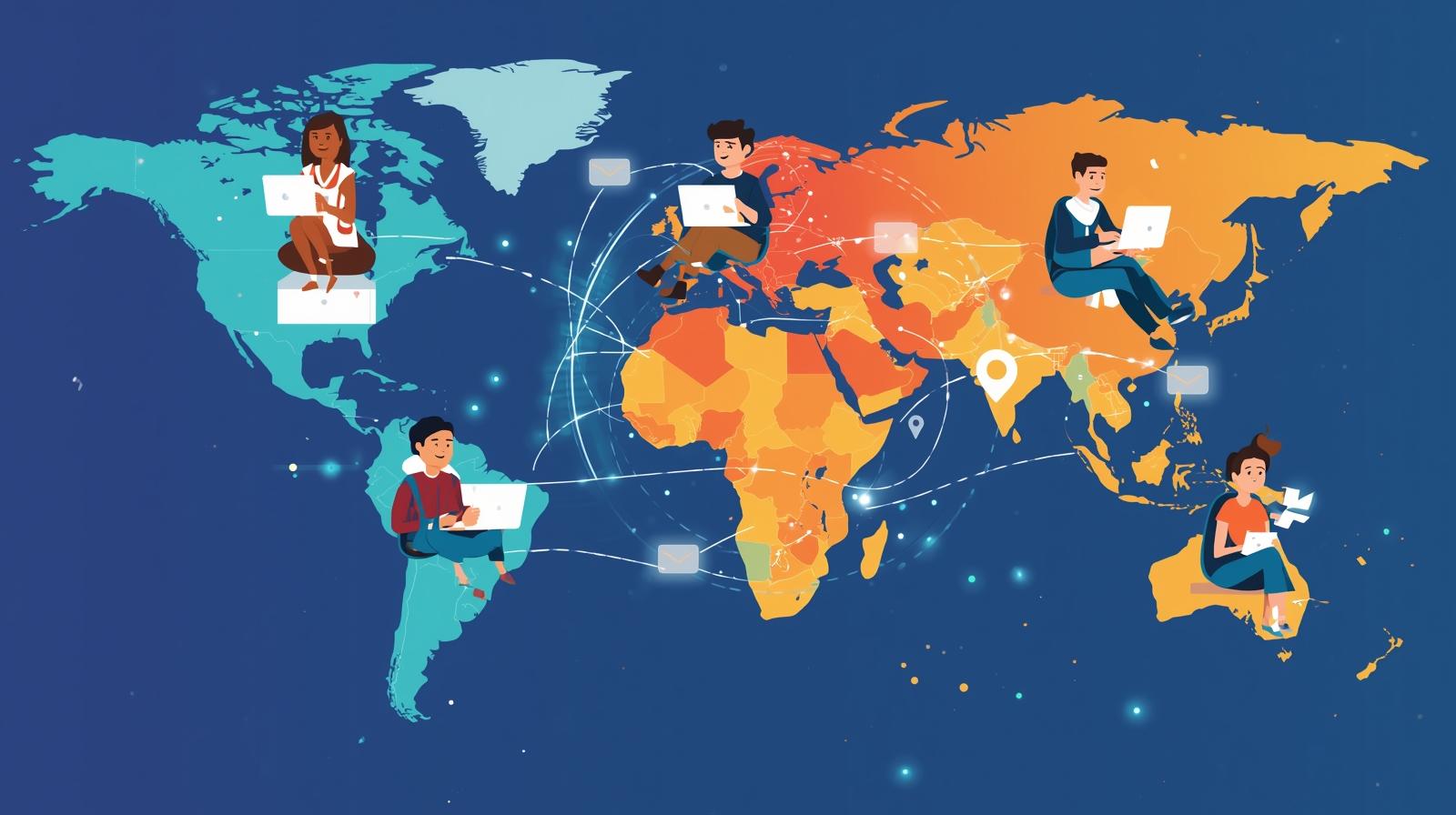
The rise of online degrees has transformed the landscape of higher education, making international learning more accessible than ever before. Traditionally, pursuing a degree from a foreign university required significant financial resources, relocation, and adjustment to a new culture. Online programs have eliminated many of these barriers, allowing students from around the world to access quality education without leaving their home countries.
Accessibility and Flexibility
One of the most significant advantages of online degrees is accessibility. Students who previously faced geographic, financial, or personal constraints can now enroll in programs offered by leading institutions worldwide. Online degrees allow learners to study at their own pace, making it possible to balance education with work, family, and other responsibilities.
- Learn from top international universities without relocating.
- Flexible schedules accommodate students in different time zones.
- Affordable tuition compared to traditional on-campus programs.
Broadening Academic Opportunities
Online degrees expand the range of academic options available to students. Many specialized courses and professional programs, such as data science, business analytics, and digital marketing, are available online and attract students globally. Access to these programs enhances knowledge, provides specialized skills, and increases employability in an interconnected world.
- Offers diverse programs not always available locally.
- Encourages interdisciplinary learning and skill development.
- Enables students to gain certifications alongside their degree for career growth.
Global Networking and Cultural Exchange
Online programs create virtual classrooms where students from different countries interact, collaborate, and learn from each other. This exposure to international peers fosters cross-cultural communication, teamwork, and global awareness. Such networks are invaluable for future careers in multinational companies or global organizations.
- Interaction with students from diverse backgrounds.
- Exposure to global perspectives and practices.
- Development of intercultural skills essential for global workplaces.
Career Advancement and Professional Recognition
Holding an online degree from a recognized international university can enhance a professional’s career prospects. Employers increasingly value candidates who have completed global programs, as they often demonstrate self-discipline, adaptability, and the ability to work in diverse environments. Online degrees also allow professionals to update their skills while continuing to work, providing a pathway to promotions or career shifts without interrupting employment.
- Recognized credentials from prestigious institutions.
- Opportunity to continue working while studying.
- Enhances both technical and soft skills for career growth.
Challenges and Considerations
While online degrees offer many benefits, students should be aware of potential challenges. These include maintaining self-motivation, ensuring reliable internet access, and verifying the accreditation of the institution. Choosing programs with interactive learning components, mentorship, and support services can help overcome these obstacles.
Conclusion
Online degrees play a pivotal role in expanding international education opportunities by providing flexible, accessible, and globally recognized programs. They allow students to gain specialized knowledge, develop intercultural skills, and advance their careers without the constraints of traditional study abroad programs. As technology continues to evolve, online education will further break down borders, making global learning an achievable goal for students everywhere.